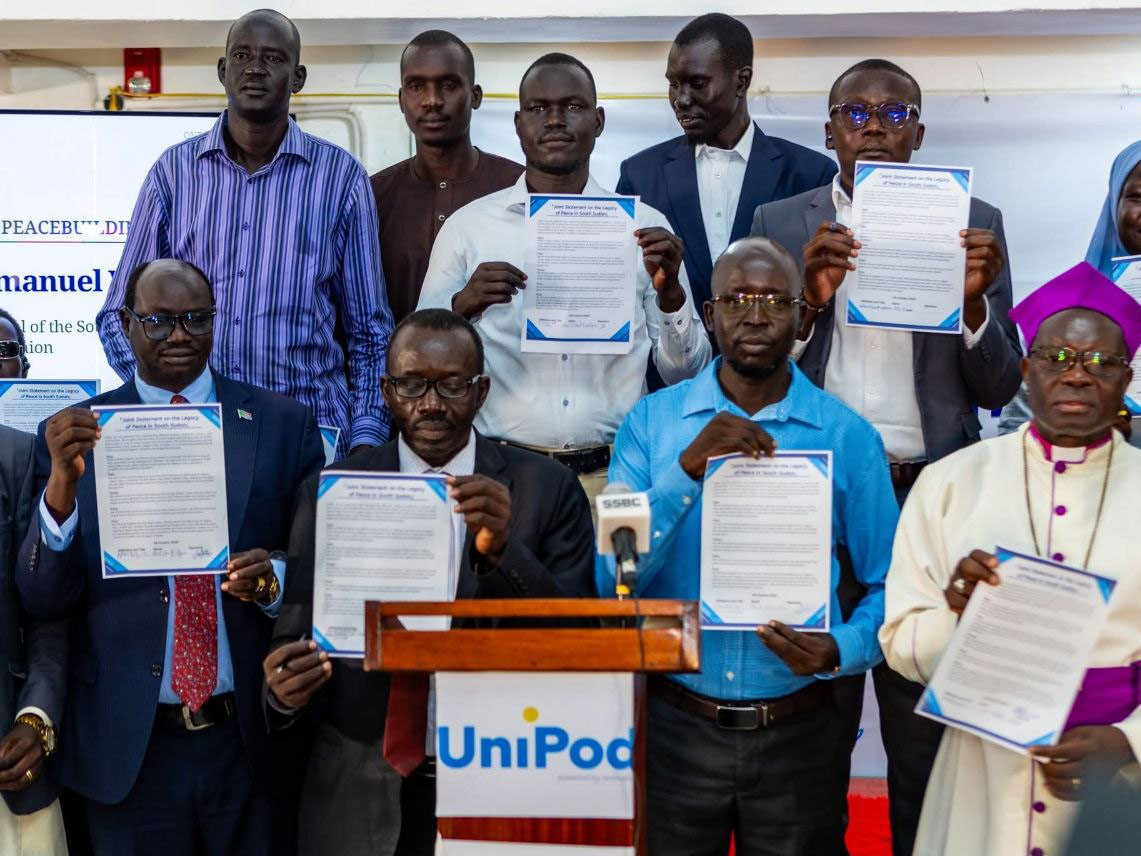
Traditional, religious, civil society, and youth leaders come together, reaffirming their commitment to peace through a joint statement
JUBA, South Sudan, Oct. 8 — The “One South Sudan Peace Conference: Beyond Our Camps, Bridging Our Future,” jointly hosted by the National Council of Traditional Authority Leaders (NCOTAL), the Community Empowerment for Progress Organization (CEPO), the Center for Inclusive Governance, Peace and Justice (CIGPJ), and HWPL, was held at the University of Juba.
The conference brought together a former member of South Sudan’s Transitional National Legislative Assembly (TNLA), traditional and religious leaders, civil society representatives, and students from four universities in Juba. Participants shared main ideas on the roles that different sectors of society can play in promoting peace and reconciliation in South Sudan, as well as practical ways to encourage broader participation in the peacebuilding process.
South Sudan has continued to prioritize the implementation of peace agreements and the promotion of social cohesion as key efforts to overcome the political and communal conflicts that have persisted since its independence and to achieve sustainable peace and national unity. In particular, traditional leaders, who are deeply rooted in local communities, have played a vital role in grassroots peacebuilding by mediating conflicts between communities and fostering reconciliation.
Meanwhile, South Sudan has entered a critical period of political transition ahead of the general elections scheduled for December 2026. Following amendments to the electoral law in September, the transitional government and legislative bodies were dissolved on September 22, marking the end of a prolonged transitional period and a move toward a new political phase through elections. To ensure that this transition takes place peacefully without leading to further social conflict, dialogue and cooperation among diverse members of society are essential, alongside institutional preparations.
Against this backdrop, the One South Sudan Peace Conference was organized to bring together national and community leaders during this important political transition. The conference aims to reaffirm their shared responsibility for peace and unity and explore ways to sustain peace at the community level. In particular, the participation of various stakeholders, including traditional leaders, civil society representatives, and youth, highlights the significance of strengthening and expanding the foundations of peace throughout society, even amid political change.
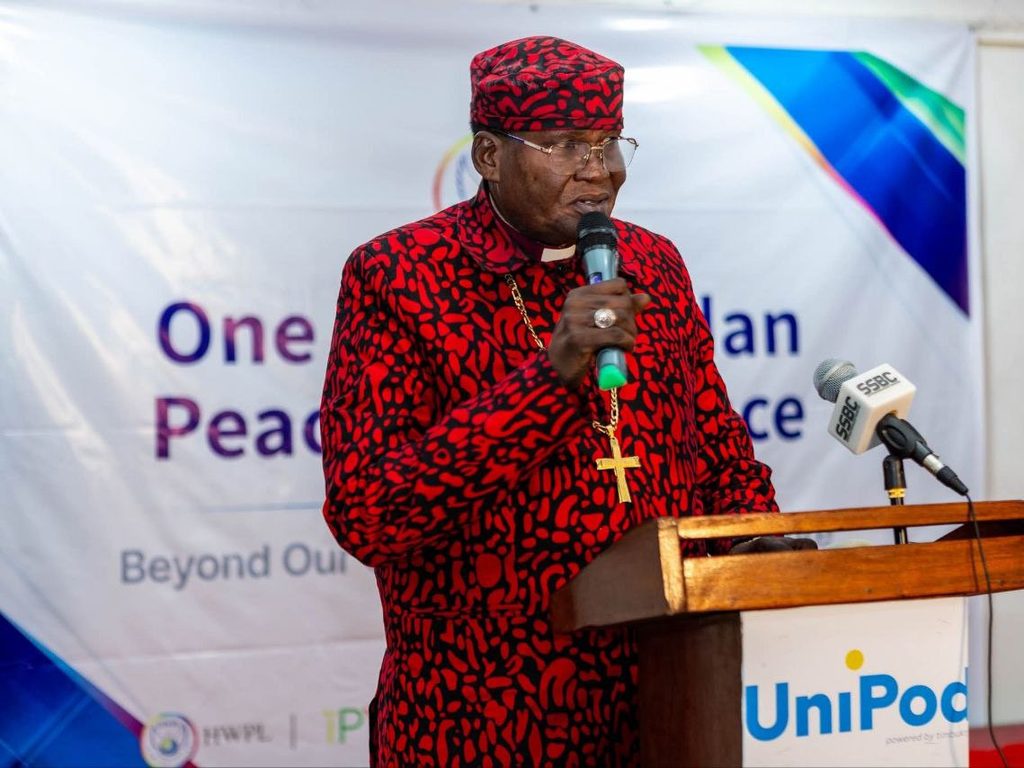
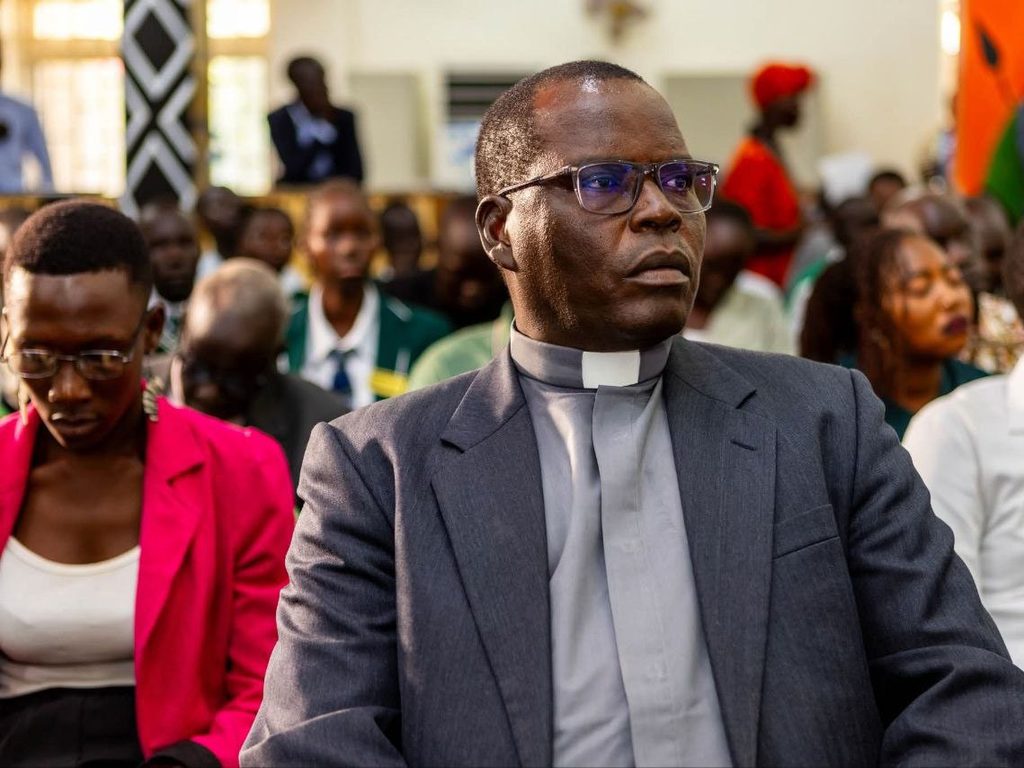
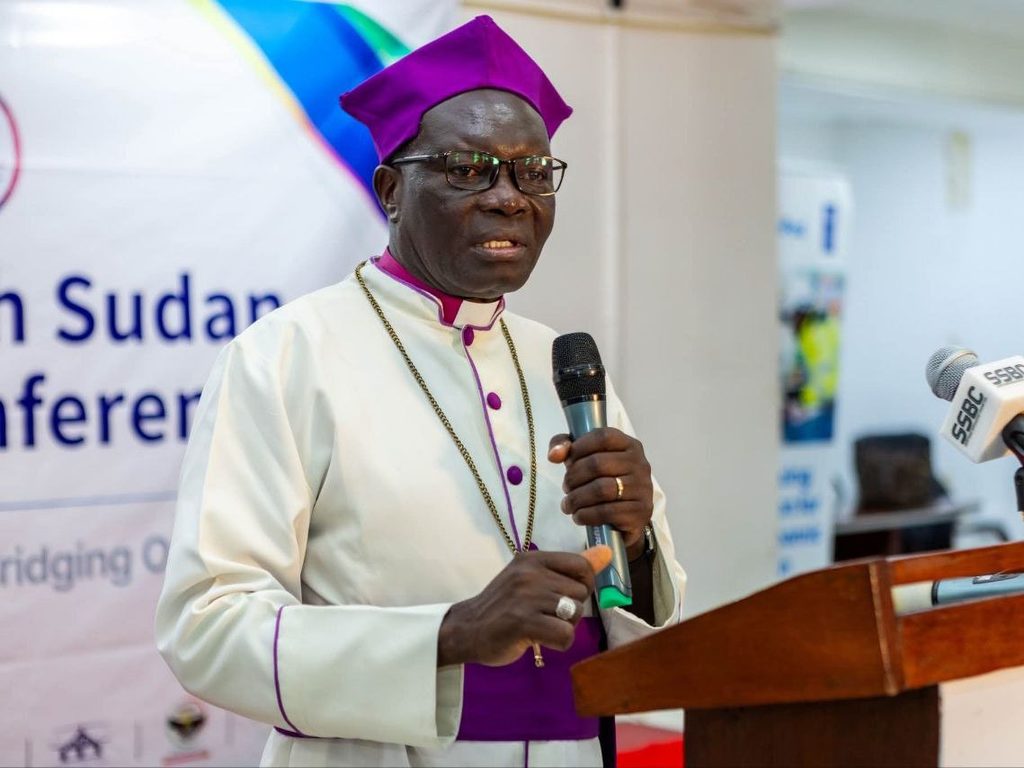
In addition, key religious leaders—including Archbishop Dr. Justin Badi Arama of the Episcopal Church of South Sudan (ECSS) & Chair of the South Sudan Council of Churches (SSCC), Sheikh Refat Juma Abdallah, Deputy Secretary for Organizations and Humanitarian Affairs of the South Sudan Islamic Council (SSIC), and Rev. Fr. John Opi, Justice and Peace Coordinator of the Sudan and South Sudan Catholic Bishops’ Conference (SSCBC)—also delivered presentations, adding the religious community’s shared aspiration for peace in South Sudan.
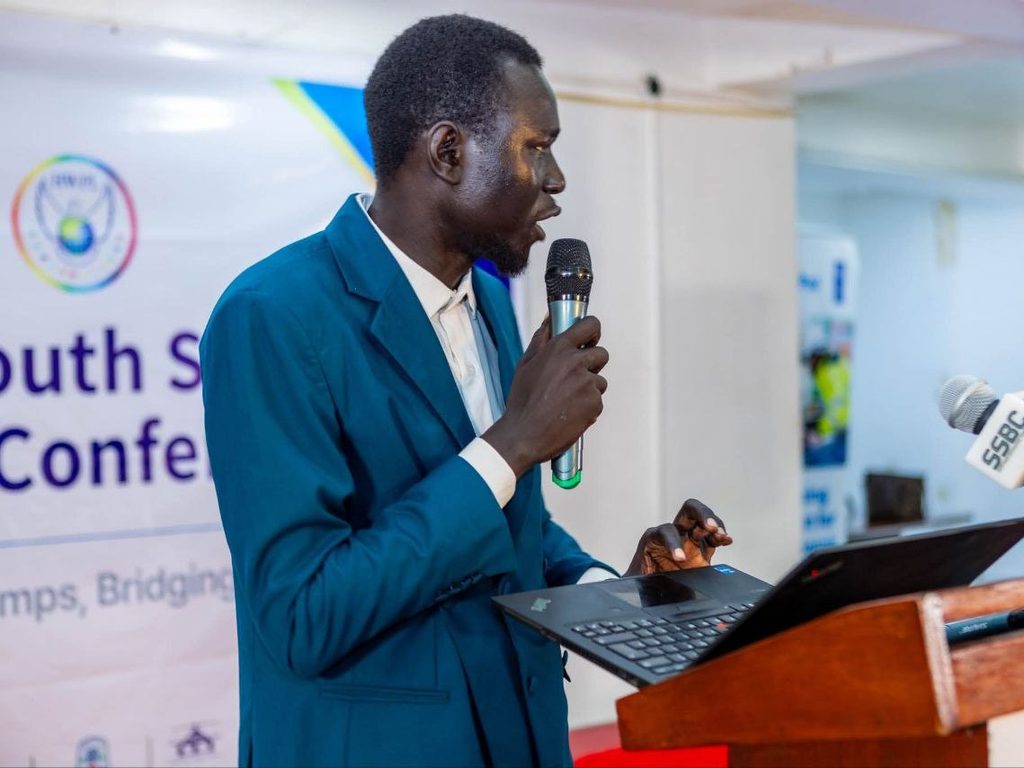
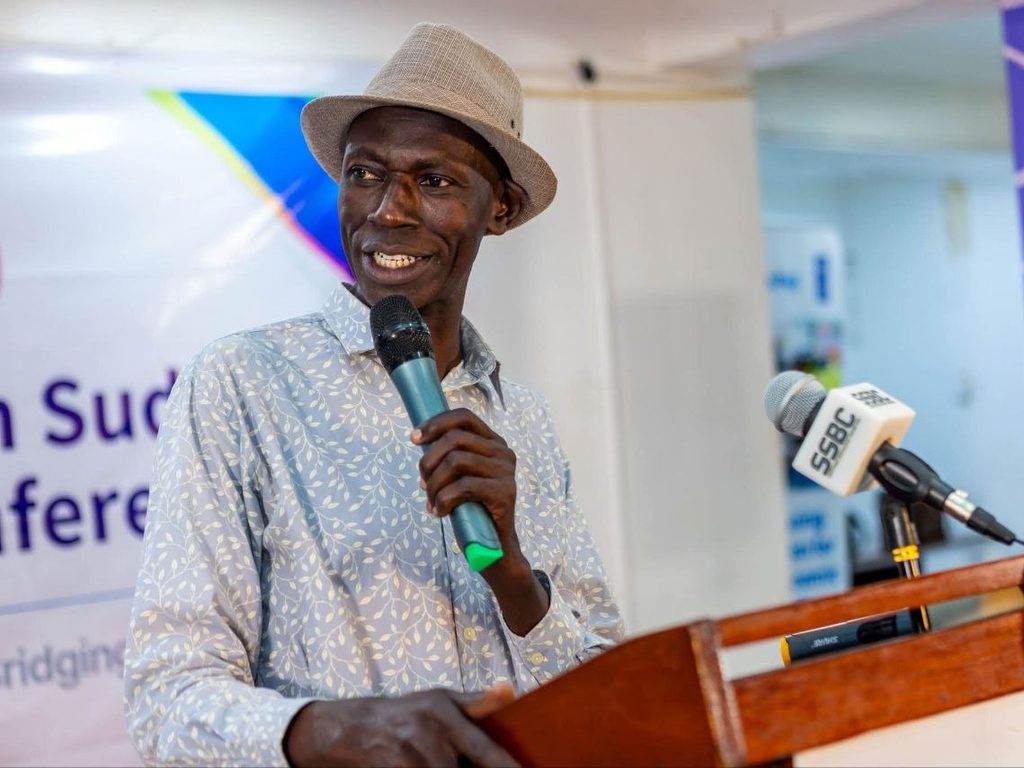
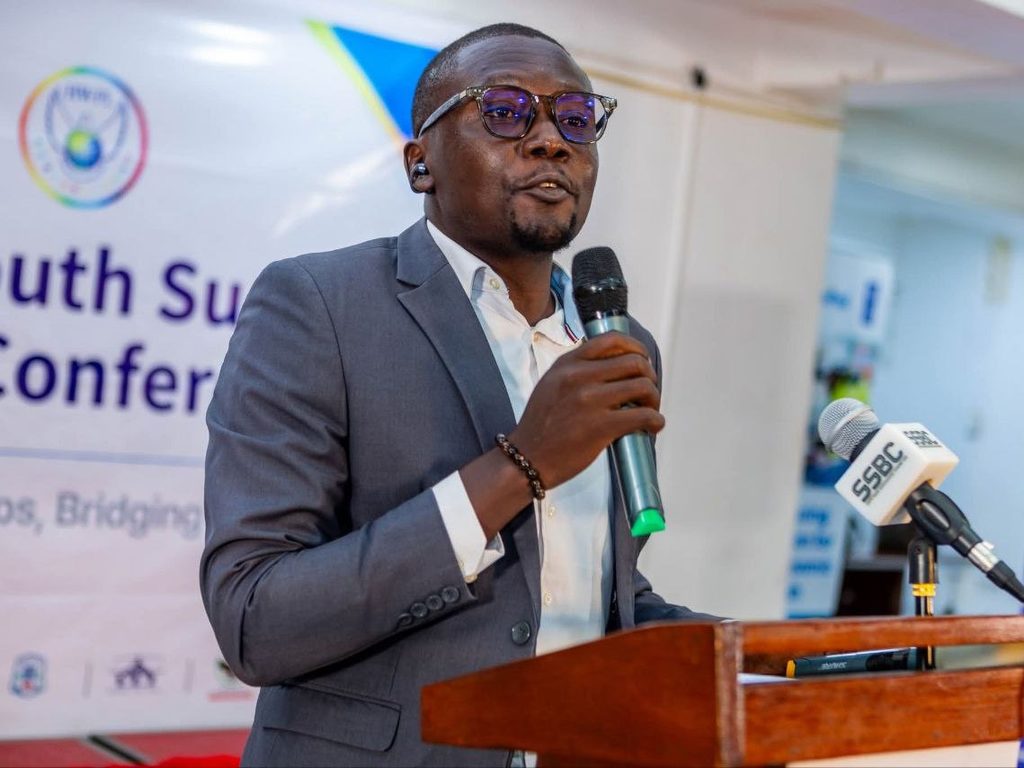
Experts from various fields presented the value of peace they have upheld, highlighting the roles they play in peacebuilding and reconciliation within their domains.
The presentations explored the roles of political institutions, traditional leadership, religious communities, and civil society in the peacebuilding process. Former TNLA representatives discussed how institutions and the public sector can help build and support social consensus, while traditional leaders focused on sustaining dialogue and mediation within local communities. Religious leaders addressed how faith communities can contribute to reconciliation and peaceful coexistence, while civil society representatives discussed ways to promote community participation and strengthen the role of civil society.
Edmund Yakani, Executive Director of the Community Empowerment for Progress Organization (CEPO), a co-host and speaker at the ‘One South Sudan Peace Conference,’ sharply highlighted the rampant tribalism, mutual distrust, and political division in the nation. He strongly called for wise voting in the upcoming elections, solidarity among religious and traditional leaders, and actionable measures through the launch of a ‘Citizen Peace Council’.
The scope of event extended beyond the roles of traditional leaders to include youth and university students. Students from universities in Juba attended the event to listen to insights from leaders across various fields, forming a consensus on the role the younger generation can play as active agents of peacebuilding. This aligned closely with the conference’s objective to share the accumulated peacebuilding experiences of traditional leaders, religious communities, and civil society with the younger generation and foster open communication
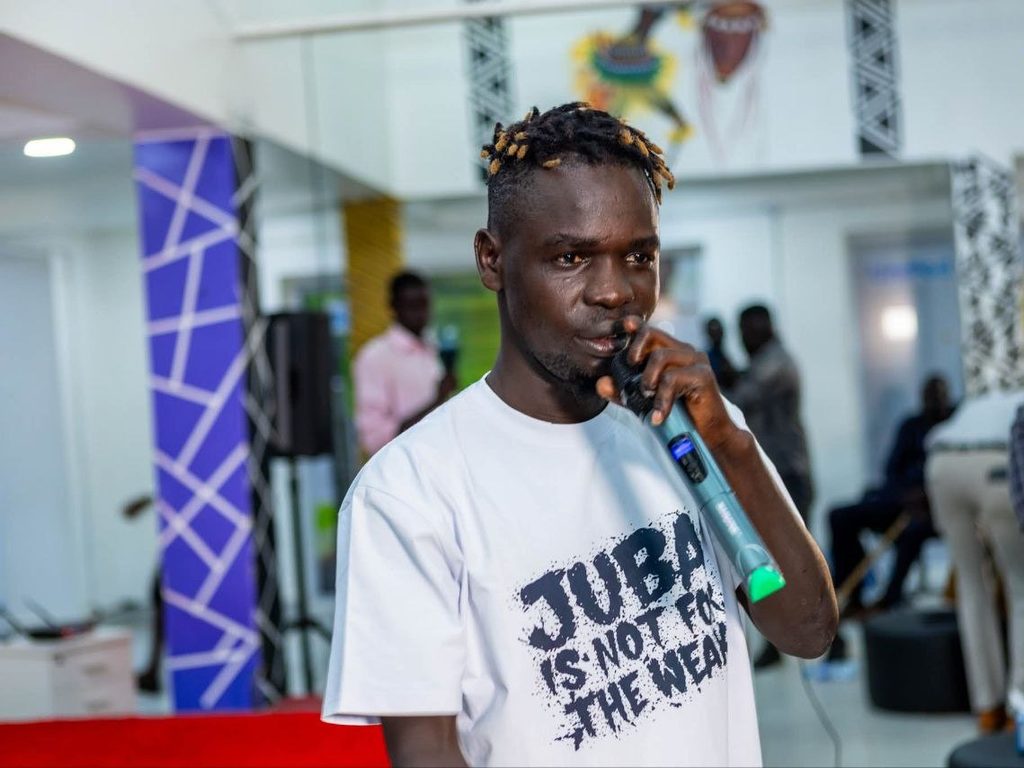
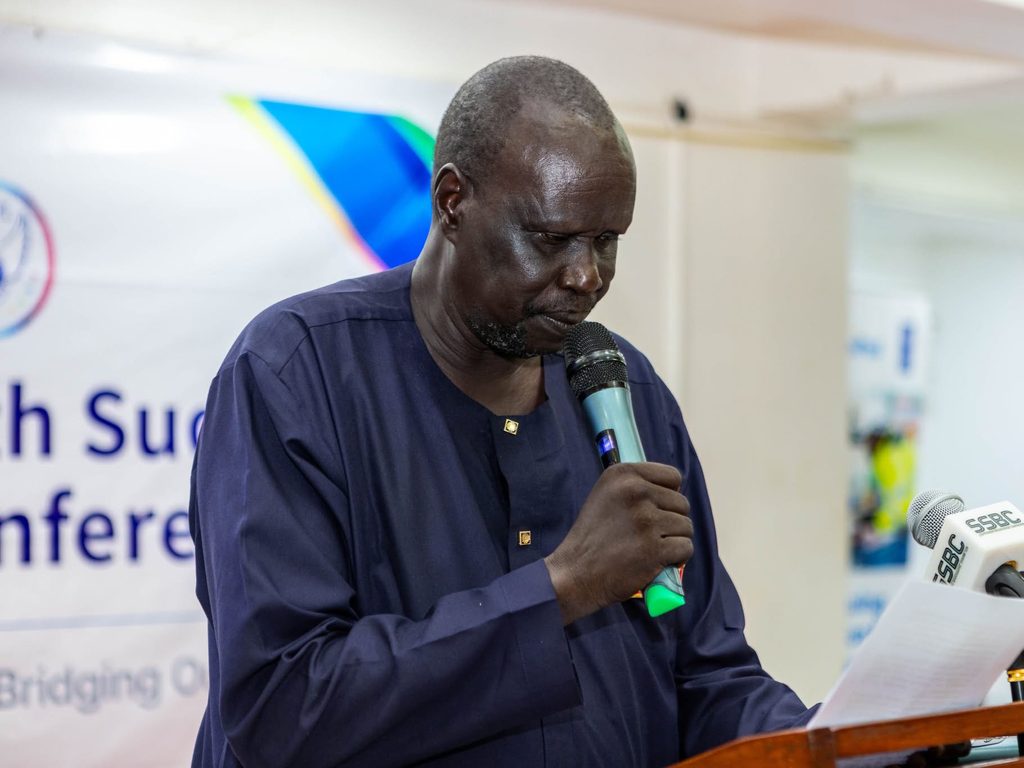
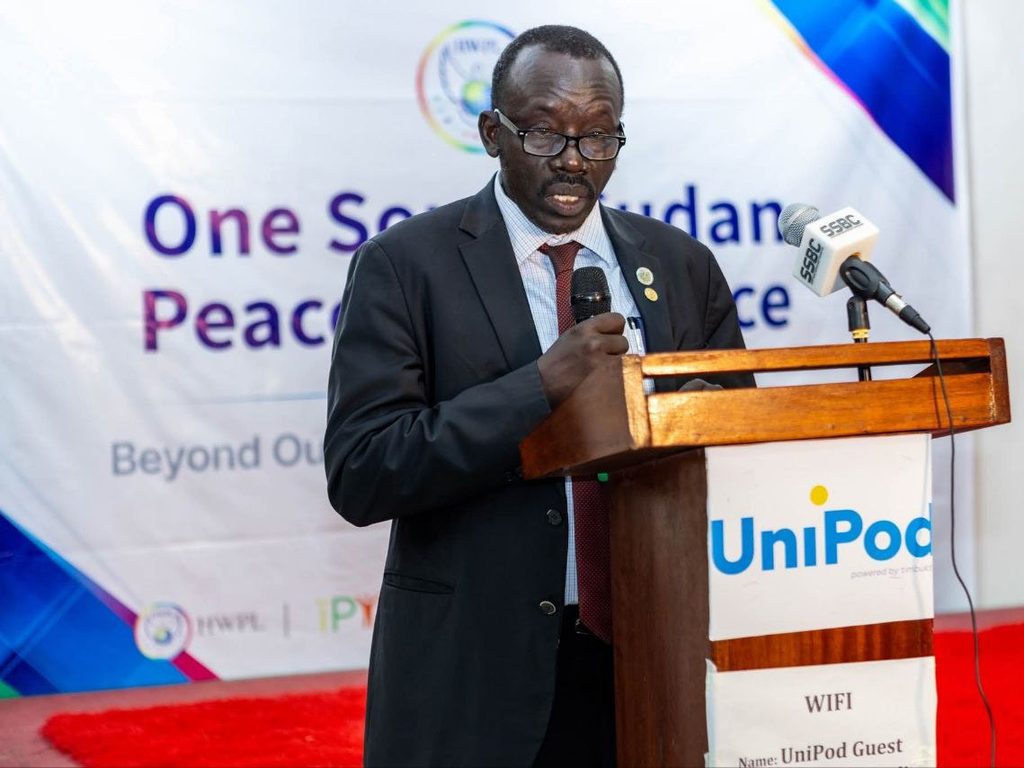
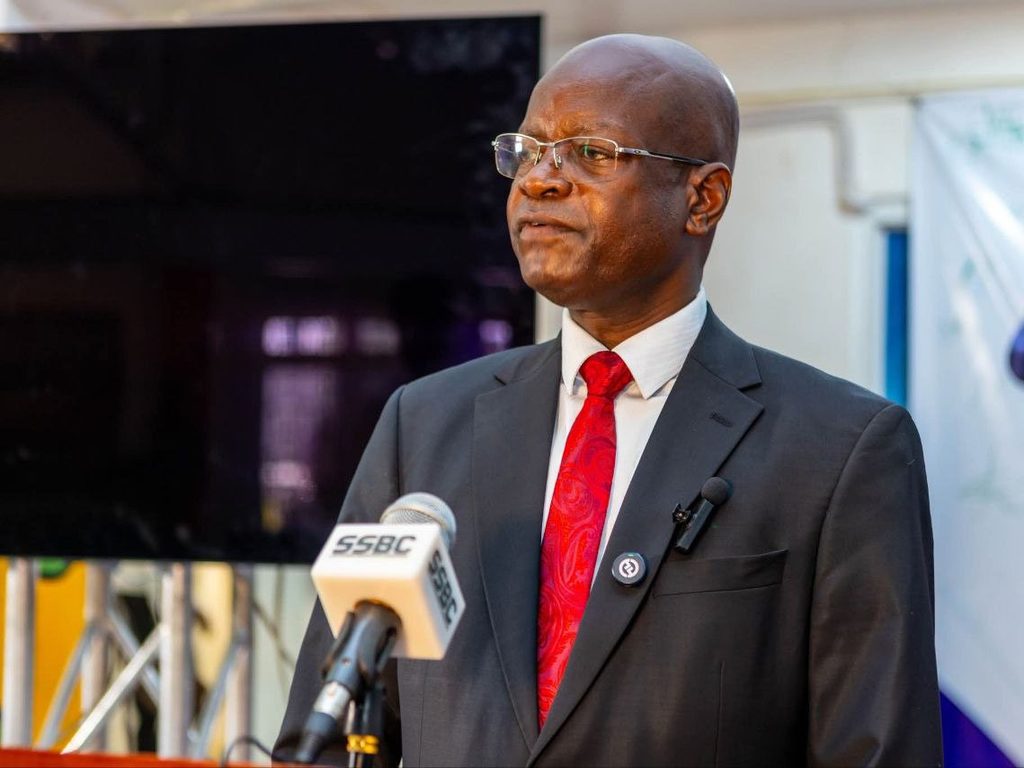
Across the presentations. participants also focused on practical ways to promote peace from their respective positions in society. They addressed issues such as conflict mediation and dialogue within local communities, public participation, and the sharing of peace values across generations, while exploring how these efforts could be connected to collective action.
At the conclusion of the conference, participants adopted a Joint Statement on Peacebuilding Action. The statement outlined the roles and responsibilities of political, religious, traditional, and civil society actors in the peacebuilding process, as well as practical directions for passing on a legacy of peace to future generations.
The directions for putting peace into practice outlined in the joint statement were also reflected in the preceding presentations, where traditional leaders, women, and youth identified specific roles and actions they could take from their respective positions.
Sultan Joseph Kuol Amet Kuol, Acting Secretary-General of the National Council of Traditional Authority Leaders (NCOTAL) and Paramount Chief of the Kuac Ayok Community, emphasized the responsibility of traditional leaders to mediate conflicts and unite communities. He stated that traditional leaders should draw on their moral authority and accumulated grassroots wisdom to work with the government and various stakeholders to promote reconciliation and sustainable peace.
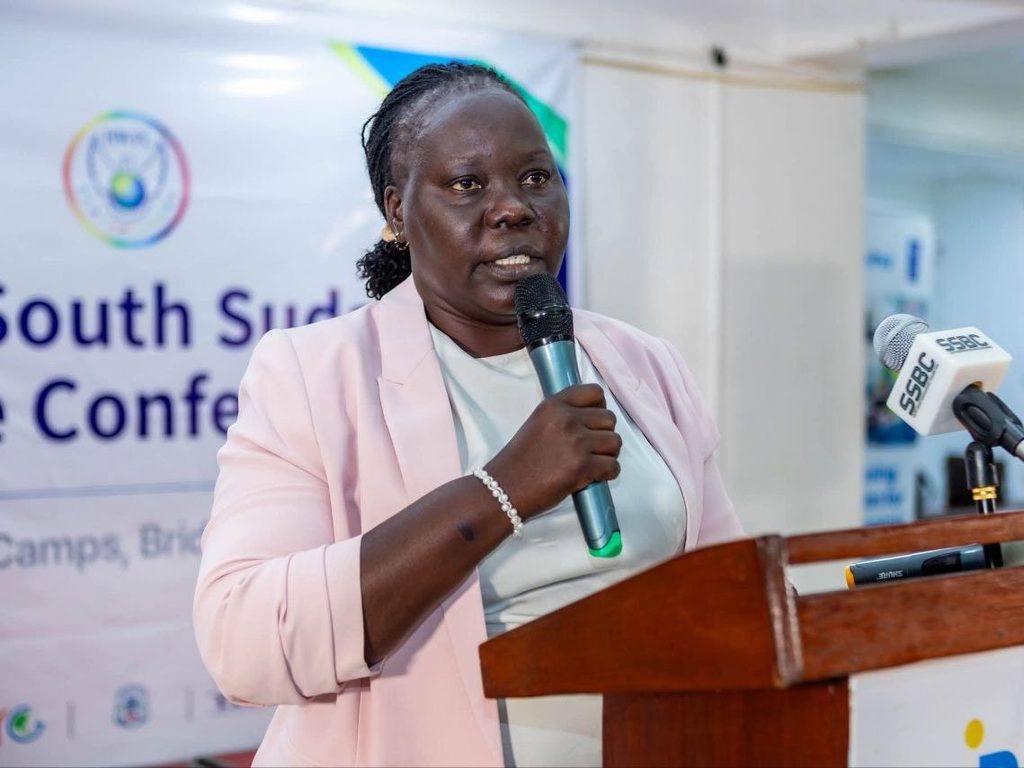
Ms. Jackline Nasiwa, Representative of CIGPJ, highlighted the important role of women in peacebuilding. She stressed that women are not merely beneficiaries of peace but architects of peace, emphasizing the need to build bridges between women and men, communities and generations, and citizens and institutions.
Mr. Emmanuel William Atit, Representative of the South Sudan National Youth Union, emphasized that young people should serve as bridges between communities, overcoming divisions and fostering connections. He encouraged youth to choose dialogue over division and put peace into practice in their daily lives, including in schools, universities, local communities, and on social media.
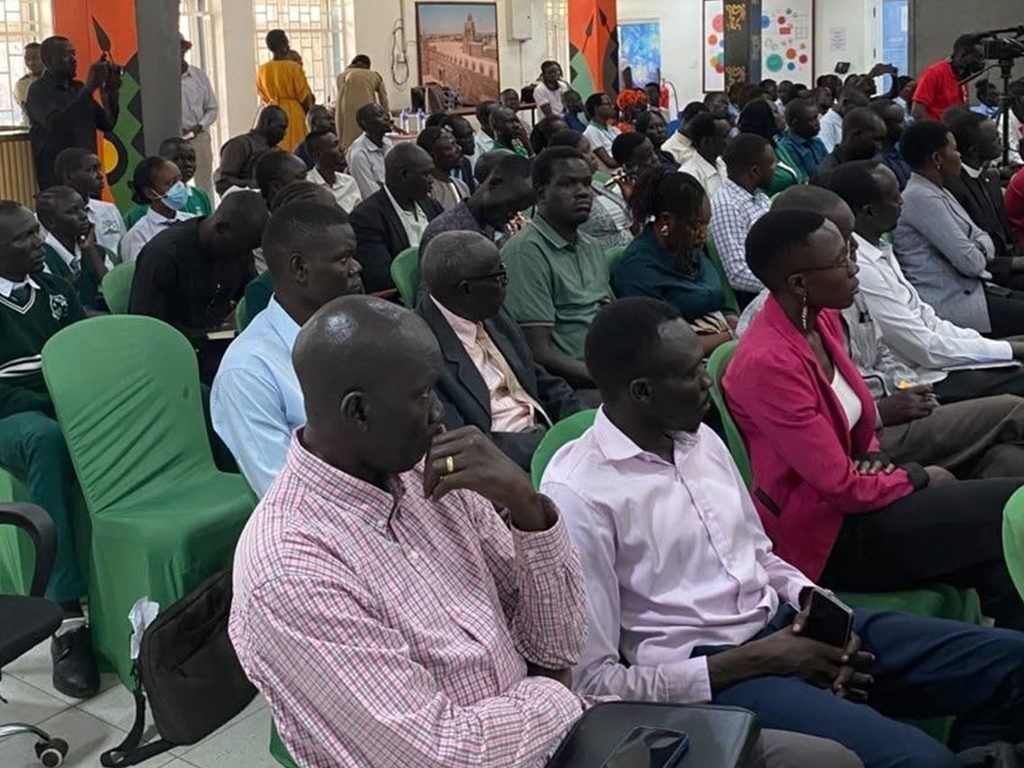
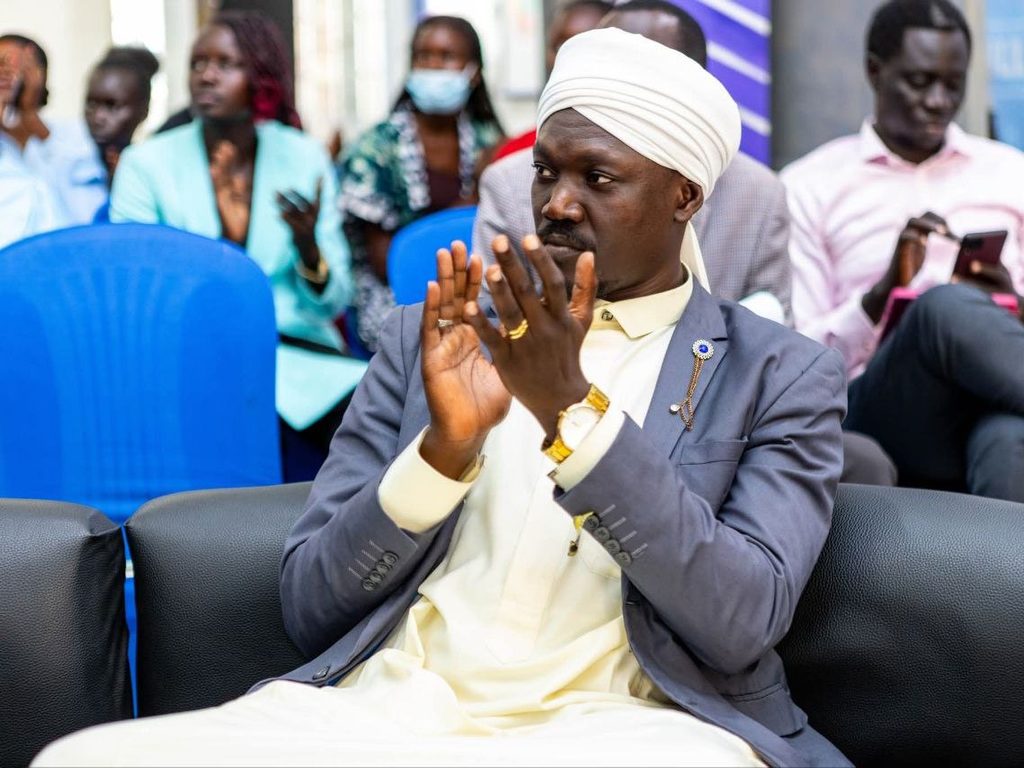
The organizers said they plan to carry out follow-up programs after the conference to build cooperation between existing peace-mediation actors, including traditional and religious leaders and civil society, and the next generation, including university students, and to extend this cooperation into dialogue and reconciliation activities at the community level.
As the first step in the follow-up program, the “Mr. Big Light” Peace Education Campaign will be launched. Through local radio and other channels, the campaign will share the values of peace and peacebuilding experiences presented at the conference with local communities, while also collecting and sharing residents’ own stories and experiences of peace.
The campaign will later expand into regular local radio segments, talk shows, and call-in programs, providing opportunities for residents to directly participate in dialogue about peace.
HWPL