Amid rising global tensions, countries seeking stability and sustainable development are calling for new approaches to leadership. In South Sudan’s ongoing process of national reconstruction, fostering social consensus grounded in justice and the rule of law has become an increasingly emphasized priority
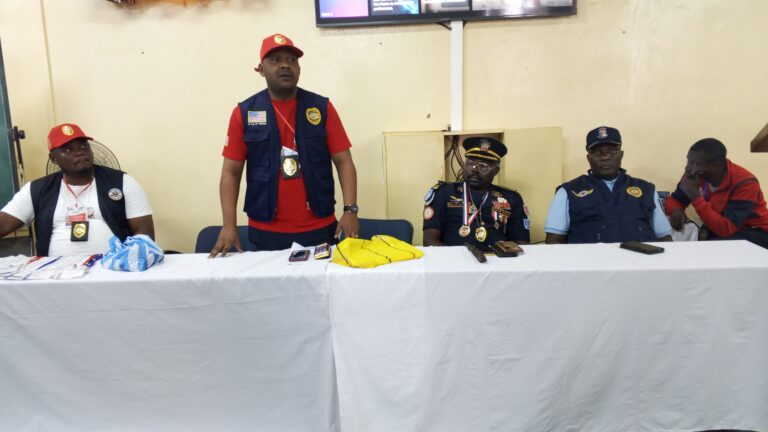
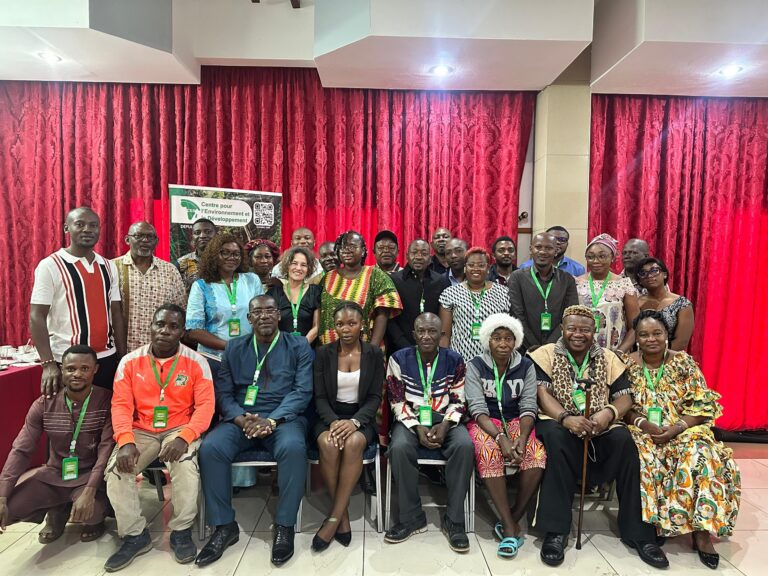
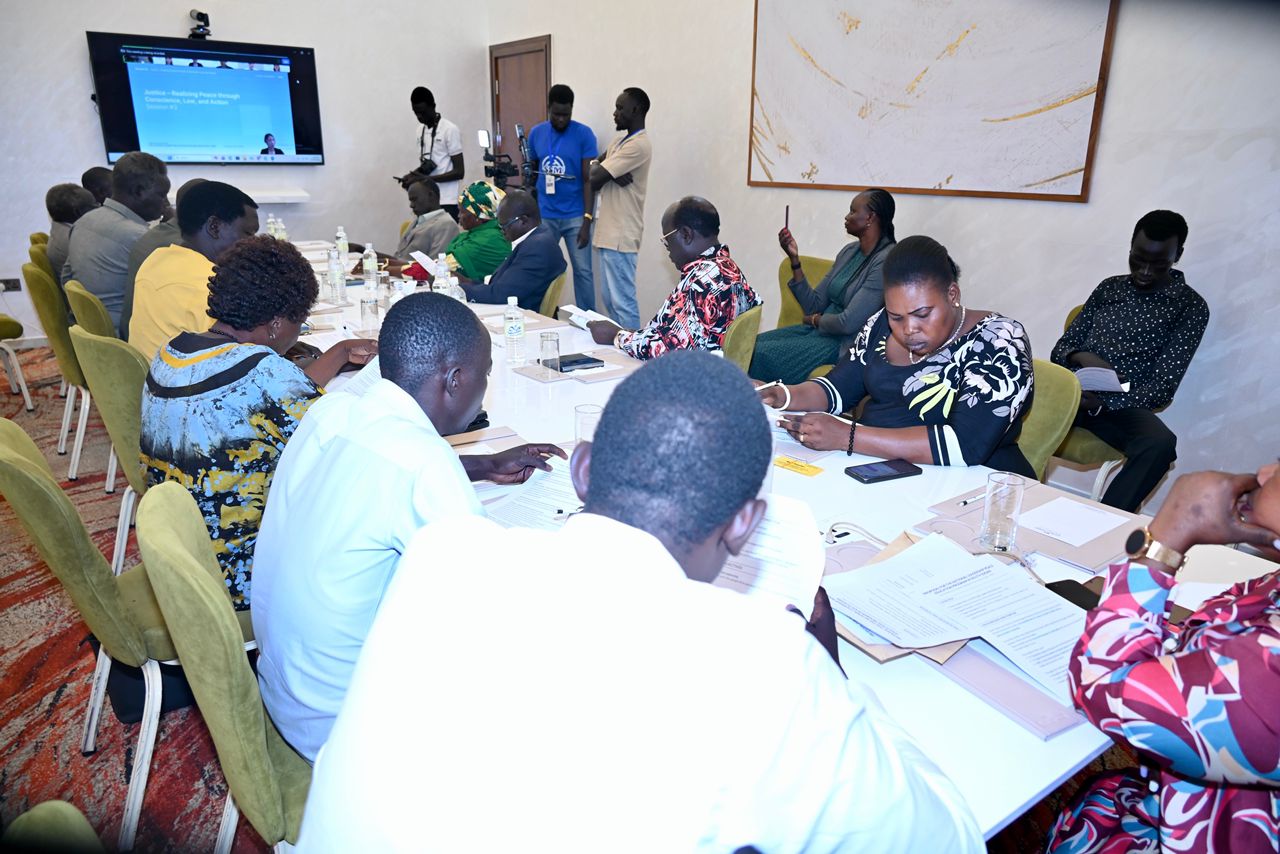
On February 25, the 2nd National Peace Leadership Education in South Sudan was held. The event was co-hosted by the Transitional National Legislative Assembly (TNLA) Standing Committee for Peace and Reconciliation and the international peace organization Heavenly Culture, World Peace, Restoration of Light (HWPL). The program brought together Members of Parliament to discuss governance practices and the institutionalization of peace through legal and policy frameworks.
The program underscored that peace can transition from a temporary agreement into a sustainable principle of national governance only when leaders establish a sense of justice that prioritizes public interest and conscience over power. This is founded on the premise that a leader’s people-centered philosophy becomes a lasting ‘national legacy’ only when it is institutionalized through culture, education, and legal systems.
In particular, the participating Members of Parliament recognized themselves as key agents responsible for enshrining peace within laws and institutions to be passed down to future generations. They engaged in in-depth policy discussions to derive concrete implementation measures, further enhancing the practical utility of the training.
Through this program, lawmakers explored ways to translate individual ‘peace conscience’ into a structured national system. Moving beyond abstract theory, they discussed the leader’s role in creating legal safeguards and reaffirmed Parliament’s essential role in sustaining peace.
They also outlined action plans to foster harmony among diverse ethnic groups as a foundation for national growth.
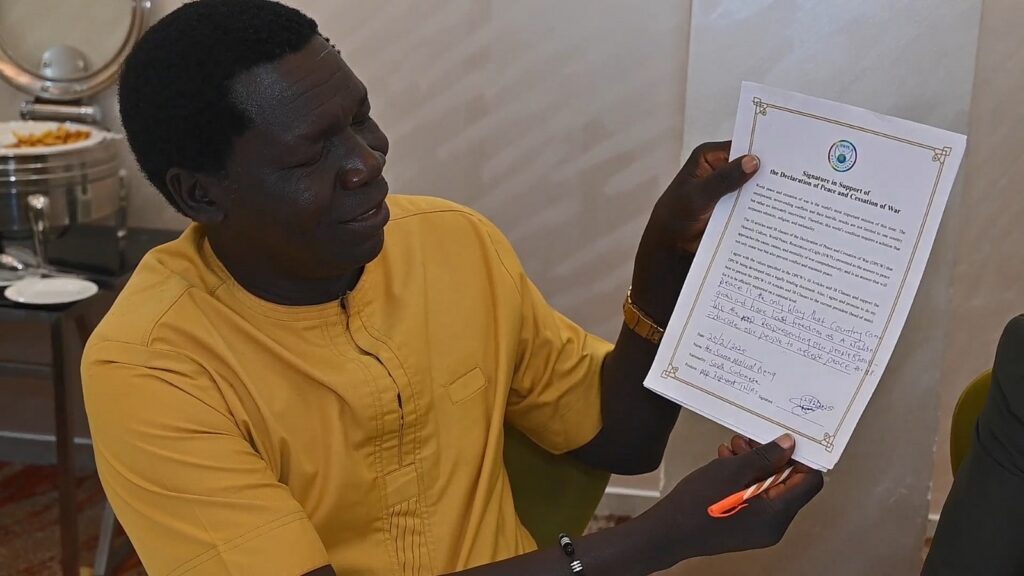
The training emphasized practical strategies for translating the values of ‘reflected peace’ into field-level applications. By examining the humanities-based heritage of both Korea and South Sudan, analyzing case studies of global peace leaders, and reviewing HWPL’s international initiatives with the Declaration of Peace and Cessation of War(DPCW), the program shared tangible experiences of ‘realized peace.’ This enabled participating lawmakers to establish a framework for ‘locally tailored peace leadership’ to the unique characteristics of their respective constituencies and ethnic communities.
The DPCW, comprising 10 articles and 38 clauses, seeks to achieve sustainable global peace by revitalizing the founding spirit of the United Nations and establishing a universal framework for conflict prevention and resolution.
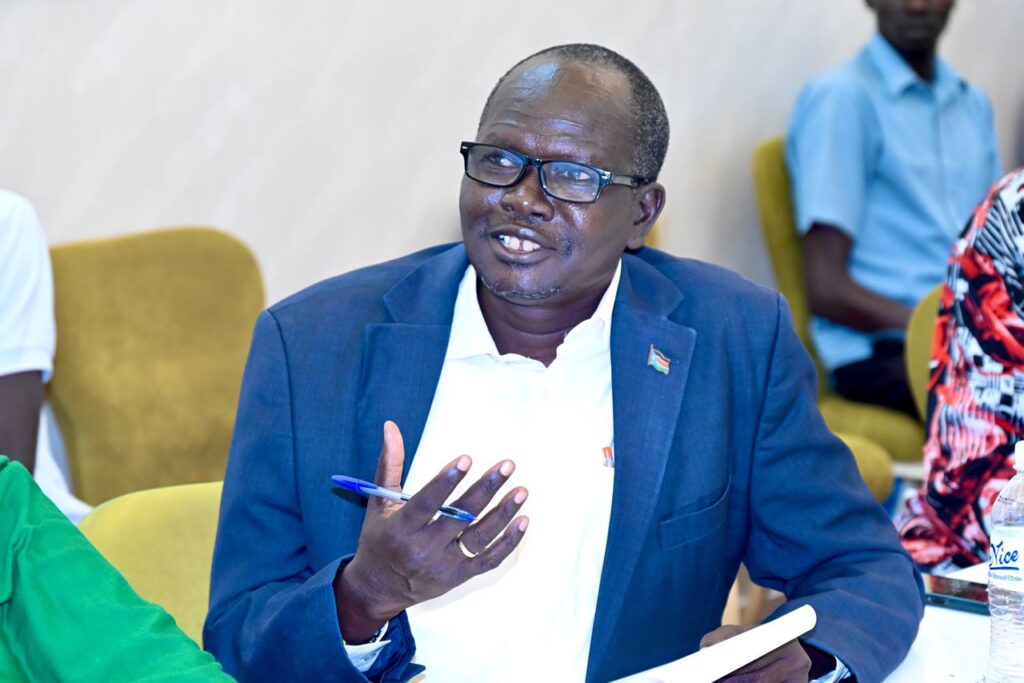
Hon. Bona Deng Lawrence, Chairperson of the TNLA Standing Committee on Peace and Reconciliation, shared his profound reflections on the session:
« We believe that peace can begin with agreements and declarations. The DPCW, which we declared in Parliament, is a prime example. Once you voluntarily commit to signing a document like the DPCW, you are already moving your nation toward a more peaceful future.
However, peace becomes a true legacy only when it is integrated into our culture. This requires the institutionalization of peace alongside comprehensive peace education. When we enact bills into laws, we must ensure that those policies and laws are specifically designed to keep the country unified and peaceful. »
And Hon. James Kok Ruea, a member of the Committee, emphasized the importance of Peace education like this:
“Due to a lack of education, the rule of law has struggled to reach our grassroots. Yet, despite 21 years of war, our traditional norms and culture remain uneroded, and our traditional leaders stand as our strongest advocates for peace. Because our grandchildren are the very foundation of our heritage, I strongly encourage the development of HWPL’s peace education. It is through this education that our future generations will become a powerful ‘instrument to believe in peace’.”
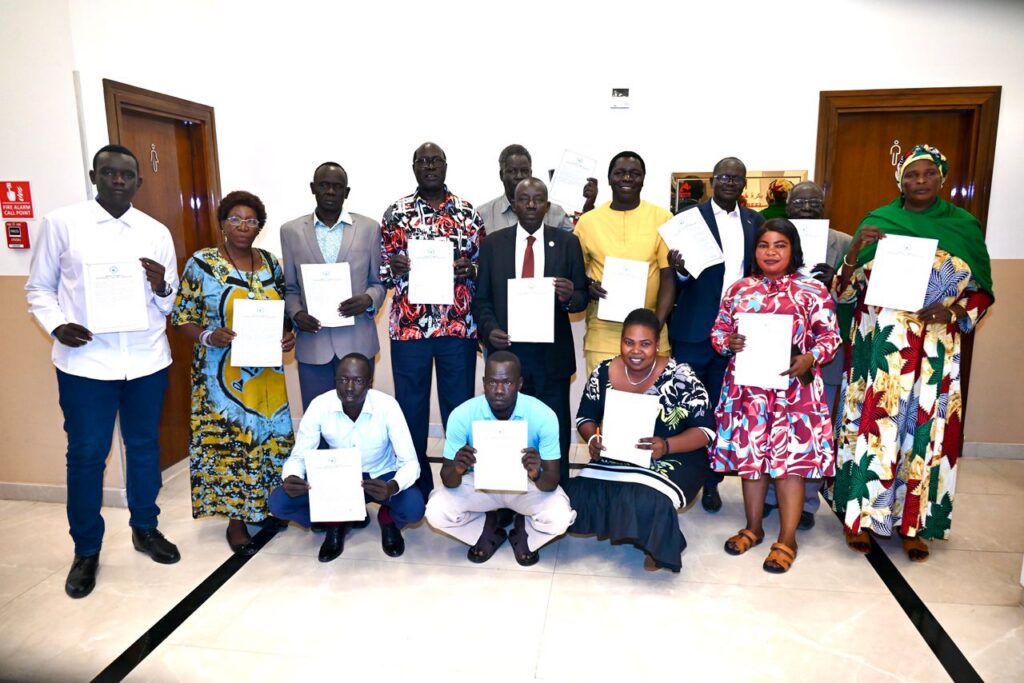
Moving forward, the South Sudan TNLA and HWPL intend to pursue substantive and sustained cooperation to shape the nation’s peaceful future. Key strategic initiatives include the development of a community-based peace model involving collaboration between parliamentarians and tribal leaders, the promotion of social integration, and the establishment of a national peace heritage.
HWPL